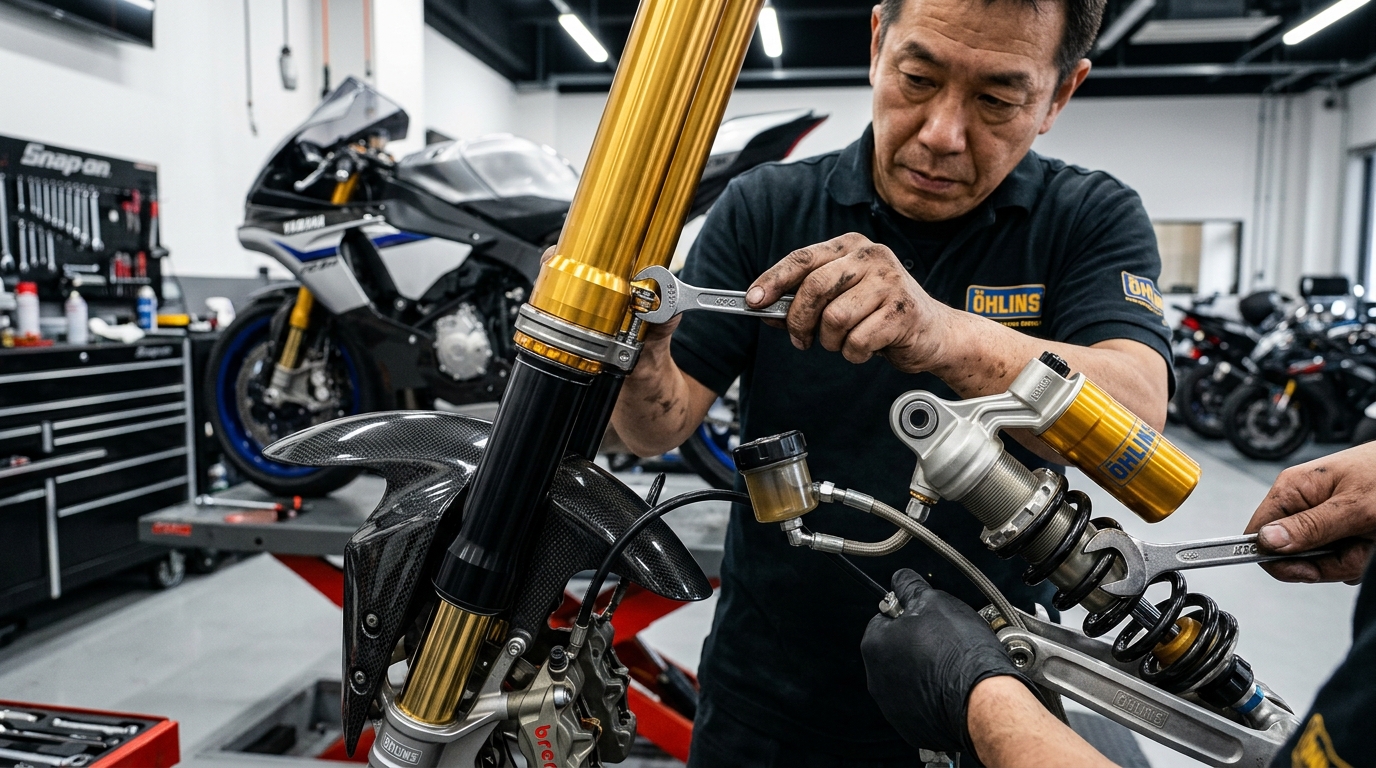
Hey there, fellow riders! Ready to rev up your motorcycle maintenance game? Well, we’ve got some electrifying insights for you in today’s article: "Charge Check: How Long to Charge a Motorcycle Battery? Charging Tips!" If you’ve ever found yourself pondering the ideal charging time for your two-wheeled companion, you’re in luck. We’ll dive into the nitty-gritty details, equipping you with the know-how to charge your motorcycle’s battery like a pro. So, grab your helmet and join us on this enlightening journey through the world of motorcycle battery charging!
1. Understanding the Charging Time: Factors that Affect Motorcycle Battery Charging
.
When it comes to charging your motorcycle battery, understanding the factors that can affect its charging time is crucial. By knowing these factors, you can ensure a smooth and efficient charging process, while avoiding potential issues that may arise. Here are some key factors to keep in mind:
Battery Capacity: The capacity of your motorcycle battery plays a significant role in determining its charging time. Generally, the larger the battery’s capacity, the longer it will take to charge. This is because a higher capacity battery requires a greater amount of energy to reach its full charge. So, if you have a higher capacity battery, be prepared for a longer charging time.
Charging Device: The type and quality of the charging device you use can also impact the charging time of your motorcycle battery. Using a high-quality charger specifically designed for motorcycle batteries will ensure a faster and more efficient charge. On the other hand, using a generic or low-powered charger may result in a slower charging process. It’s always recommended to invest in a reliable charger to maximize charging speed.
- Battery Condition: The condition of your motorcycle battery also plays a role in its charging time. If your battery is old, damaged, or in poor condition, it may take longer to charge fully. Additionally, a battery that has been completely drained before charging may require more time to reach its full capacity. Regular maintenance and ensuring your battery is in good condition can help shorten the charging time.
To summarize, the charging time of your motorcycle battery can be influenced by factors such as battery capacity, the quality of the charging device, and the battery’s condition. By considering these factors and taking necessary precautions, you can ensure a smooth and efficient charging process for your motorcycle battery, ultimately prolonging its lifespan and maintaining optimal performance.
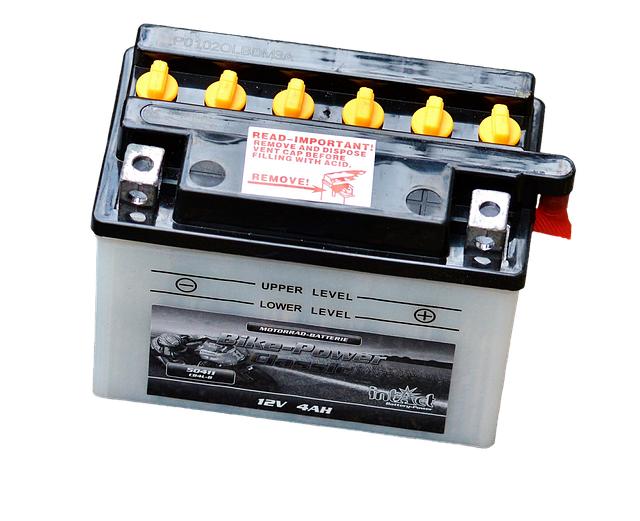
2. Best Practices for Charging a Motorcycle Battery: Step-by-Step Guide
When it comes to charging your motorcycle battery, following best practices is key to ensuring optimal performance and longevity. In this step-by-step guide, we’ll walk you through the process so you can charge your battery like a pro.
1. Safety First:
Before starting the charging process, it’s important to prioritize safety. Always wear protective gloves and eye protection to prevent any accidents. Additionally, make sure to work in a well-ventilated area to avoid inhaling any harmful fumes.
2. Choose the Right Charger:
When selecting a charger for your motorcycle battery, opt for a smart charger with automatic shutoff capabilities. This type of charger will prevent overcharging and protect your battery from damage. If you don’t have a smart charger, make sure to set a timer and periodically check the battery voltage to avoid overcharging.
3. Disconnect the Battery:
Prior to charging, disconnect the battery from your motorcycle by first removing the negative (black) cable and then the positive (red) cable. This step will prevent any damage to your bike’s electrical system and ensure a safe charging process.
4. Connect the Charger:
Now it’s time to connect the charger to your battery. Attach the positive (red) charger lead to the positive battery terminal and the negative (black) lead to the negative terminal. Make sure the connections are secure to enable a proper charge.
5. Set Charging Voltage and Time:
Check the manufacturer’s instructions to determine the correct voltage for your specific battery model. Set the charger to the recommended voltage and adjust the charging time accordingly. It’s crucial not to rush the charging process as it may lead to incomplete charging or damage to the battery.
6. Monitor the Charging Process:
While the battery is charging, keep an eye on the voltage levels to ensure it stays within the recommended range. Some smart chargers will display this information, but if not, you can use a voltmeter to check the progress periodically.
7. Charge Completion:
Once the battery reaches a full charge, it’s time to disconnect the charger. First, remove the negative (black) charger lead, followed by the positive (red) lead. Double-check the voltage one last time to ensure it remains stable without any fluctuations.
By following these best practices, you can confidently charge your motorcycle battery while maintaining its health and maximizing its lifespan. Safe and efficient charging will keep you on the road, enjoying smooth rides for years to come!
| Charging Tips: | |
|---|---|
| Use a trickle charger for long-term battery maintenance. | |
| Keep the battery clean and free of corrosion for better performance. | |
| Charge the battery in a cool and dry environment for optimal results. |
3. The Importance of Charging Maintenance: Tips to Prolong Battery Life
Proper charging maintenance is essential for prolonging the life of your motorcycle battery. Without regular charging, the battery can become weak, leading to decreased performance and ultimately, a dead battery. To avoid this hassle, follow these helpful tips to ensure your battery stays in top condition for as long as possible.
Understand the charging time: Different batteries have different charging requirements. It is crucial to consult your motorcycle’s manual or the battery manufacturer’s guidelines to determine the optimal charging time. Overcharging or undercharging can damage the battery and diminish its overall performance.
Invest in a quality charger: Using a reliable and efficient charger is key to maintaining your battery’s health. Look for a smart charger that provides a constant and controlled charge, preventing overcharging or damaging the battery with excessive voltage. Investing in a charger with built-in safety features, such as automatic shutoff and reverse polarity protection, will further safeguard your battery.
Avoid deep discharging: Regularly discharging your motorcycle battery to extremely low levels can significantly reduce its lifespan. Whenever possible, try to keep the battery charge above 50% to prevent deep discharging. If you are not planning to ride your motorcycle for an extended period, consider using a battery maintainer to keep the charge level steady.
- Store the battery properly: When not in use, it is crucial to store your motorcycle battery correctly. Keep it in a cool, dry place and away from direct sunlight or extreme temperatures. Additionally, periodically check the battery’s charge level and recharge as needed to prevent self-discharge, which can lead to sulfation and irreversible damage.
Taking these charging maintenance tips into consideration will not only extend the life expectancy of your motorcycle battery but also ensure reliable performance when you hit the road. Don’t let a dead battery cut your trip short – prioritize regular charging and proper maintenance to keep your motorcycle running smoothly.
4. Debunking Common Charging Myths: Separating Fact from Fiction
Charging your motorcycle battery seems like a simple task, right? Or so you thought. In reality, there are plenty of myths and misconceptions surrounding the charging process that can lead to confusion and potential damage to your battery. In this post, we’re going to debunk some of the most common charging myths and provide you with the facts you need to ensure your battery stays charged and ready to go.
Myth 1: The longer you charge, the better
Fact: While it may seem logical to leave your battery charging overnight, this can actually harm your battery in the long run. Overcharging can lead to excessive heat, electrolyte loss, and potential damage to the internal plates. To avoid this, it’s important to follow the manufacturer’s guidelines for charging duration. Most motorcycle batteries require about 4-6 hours to reach a full charge, so don’t forget to disconnect the charger once it’s done!
Myth 2: All chargers are created equal
Fact: Not all chargers are designed for motorcycle batteries. Using the wrong charger can result in overcharging, undercharging, or even short-circuiting your battery. It’s crucial to invest in a charger specifically designed for motorcycles, preferably one with a microprocessor that automatically adjusts the charging rate based on the battery’s condition. This will ensure a safe and efficient charging process every time.
Myth 3: You can jump-start a completely dead battery
Fact: Jump-starting a completely dead battery is not recommended and can potentially damage your motorcycle’s electrical system. When a battery is completely discharged, it may have sulfation buildup on its plates, which prevents it from holding a charge. Instead of jump-starting, try using a battery charger to gradually restore the battery’s charge. This will not only prolong the lifespan of your battery but also prevent any unnecessary strain on your motorcycle’s electrical system.
By separating fact from fiction and debunking these common charging myths, you can now approach the task of charging your motorcycle battery with confidence and knowledge. Remember to always read the manufacturer’s instructions, invest in a quality charger, and avoid overcharging. By following these tips, you can ensure that your battery remains healthy and ready to power you on your next ride.
5. Choosing the Right Charger for Your Motorcycle Battery: What to Consider
When it comes to charging your motorcycle battery, choosing the right charger is essential. The last thing you want is to find yourself with a dead battery on the open road. So, what should you consider when selecting the perfect charger for your motorcycle battery?
Amps: The first factor to consider is the amps rating of the charger. It’s crucial to match the charger’s amps output to the battery’s capacity. Too high of an amp rating can damage the battery, while too low of an amp rating may result in a slow charge or not enough power to fully charge the battery.
Voltage: Ensure that the charger you choose matches the voltage of your motorcycle battery. Most motorcycle batteries are 12 volts, but it’s always wise to double-check and select a charger that corresponds to your battery’s voltage.
Battery Type: Different motorcycle battery types require different charging methods. Whether you have a traditional lead-acid battery or a maintenance-free AGM battery, make sure the charger you select is compatible with your battery type. Consult your motorcycle’s owner manual or a professional if you’re unsure.
- Safety Features: Opt for a charger that incorporates safety features such as overcharge protection, short circuit protection, and reverse polarity protection. These features ensure a safer charging experience and help prevent damage to both the battery and charger.
By considering these factors, you can confidently choose the right charger for your motorcycle battery that will provide efficient charging and extend the life of your battery. Don’t miss out on exploring different charger options to find the best fit for your specific motorcycle battery needs. Stay charged and ride on!
| Charger Type | Pros | Cons |
|---|---|---|
| Trickle Charger | Slow and steady charging, prevents overcharging | Takes longer to charge |
| Smart Charger | Faster charging, automatic voltage detection | May be more expensive |
| Jump Starter with Charger | Doubles as a jump starter for emergencies | May have limited charging capabilities |
6. Fast-Charging Options: Pros and Cons for the Time-Pressed Rider
As a time-pressed rider, finding efficient fast-charging options for your motorcycle battery can be a game-changer. No one wants to waste hours waiting for their battery to charge when there are quicker alternatives available. In this post, we will explore the pros and cons of various fast-charging options to help you make an informed decision.
| Option | Pros | Cons |
|---|---|---|
| Fast-Charging Stations |
|
|
| Fast Chargers at Home |
|
|
It’s important to consider your specific needs and circumstances when choosing a fast-charging option. If you frequently embark on long rides and need quick charging on the go, fast-charging stations can be a reliable choice. On the other hand, if you have the convenience of charging at home and prefer a more cost-effective solution, setting up a fast charger at your residence might be the way to go.
Whether you opt for a fast-charging station or a home charger, always ensure that your motorcycle battery is compatible with the charging method you choose. Keeping your battery charged and ready to go will not only save you time but also enhance your overall riding experience.

7. Avoiding Overcharging: Why it’s Crucial and How to Prevent Damages
When it comes to charging your motorcycle battery, it’s essential to understand the risks associated with overcharging. Overcharging can not only shorten the lifespan of your battery but also lead to potential damages that may prove costly in the long run. To ensure the optimal performance and longevity of your battery, here are some tips to help you avoid overcharging:
- Invest in a quality battery charger: Using a reliable and high-quality battery charger specifically designed for motorcycles is crucial. It will provide you with precise charging control and prevent overcharging.
- Understand your battery’s specifications: Each motorcycle battery has its own charging requirements. Familiarize yourself with your battery’s voltage and capacity limits to ensure you don’t exceed them during the charging process.
- Use a smart charger: Consider investing in a smart charger that automatically adjusts the charging rate based on the battery’s condition. These chargers prevent overcharging by slowing down or stopping the charging process once the battery is fully charged.
- Regularly monitor the charging process: While your battery is being charged, keep an eye on the charging progress to ensure it doesn’t continue beyond the necessary time. Disconnect the charger once the battery reaches full charge.
By following these tips, you can protect your motorcycle battery from overcharging, helping it perform optimally and last longer.

8. Traveling with a Spare Battery: Smart Precautions for Long Motorcycle Trips
Traveling with a spare battery on long motorcycle trips is a smart precaution that can save you from being stranded in the middle of nowhere. However, it’s crucial to ensure that your spare battery is fully charged and ready to use when you need it. In this post, we’ll answer the burning question: How long does it take to charge a motorcycle battery?
The time it takes to charge a motorcycle battery depends on several factors, including the battery’s capacity and the charging method used. Generally, it can take anywhere from 1 to 12 hours to fully charge a motorcycle battery, but it’s important to note that overcharging can damage the battery, so it’s vital to disconnect the charger once the battery is fully charged.
To ensure a smooth and efficient charging process, here are some charging tips you should keep in mind:
1. Use a compatible charger: Make sure to use a charger that is specifically designed for motorcycle batteries. Using the wrong charger can lead to undercharging or overcharging, both of which can shorten the lifespan of your battery.
2. Check the voltage: Before connecting the charger, it’s essential to check the battery’s voltage. This will ensure that the charger is set to the correct voltage and prevent any potential damage.
3. Follow the manufacturer’s instructions: Every battery and charger is different, so it’s important to read and follow the manufacturer’s instructions for both. This will ensure that you are using the correct charging method and settings for your specific battery.
By following these smart charging precautions, you can ensure that your spare battery is always ready to power your motorcycle during those long trips. So, charge up, gear up, and hit the road with confidence!
9. Battery Rejuvenation Techniques: Restoring Power to a Neglected Battery
When it comes to motorcycle batteries, keeping them in optimal condition is crucial for the performance and longevity of your ride. But what happens when you neglect your battery and it loses its power? Don’t worry, we’ve got you covered with some effective battery rejuvenation techniques that will bring your battery back to life.
1. The Desulfation Process: Over time, the buildup of lead sulfate crystals can hinder the performance of your battery. To remove these crystals and restore power, you can use a desulfator. These devices emit high-frequency pulses that break down the lead sulfate, allowing your battery to recharge more efficiently.
2. Battery Equalization: If you have a flooded lead-acid battery, equalization can help to restore power. This process involves charging your battery at a higher voltage for a specific period. The extended charging helps to break down any sulfate crystals and ensure that all the cells in your battery receive an equal charge.
3. Using a Battery Charger: When your battery is severely discharged, a regular charger might not be enough to restore power. In such cases, a smart charger with a rejuvenation mode can come to the rescue. These chargers are designed to detect and rejuvenate deeply discharged batteries, using a special charging algorithm to bring them back to life.
Remember, proper maintenance and periodic checks are vital for your motorcycle battery’s health. By using these battery rejuvenation techniques, you can extend the life of your battery and enjoy worry-free rides. So, put these tips into action and get ready to hit the road with a fully charged battery!
10. Time to Replace: Signs that Indicate it’s Time for a New Motorcycle Battery
Signs that Indicate it’s Time for a New Motorcycle Battery
As motorcycle enthusiasts, we know how important it is to have a reliable battery. It powers the engine, provides electricity to various components, and ensures a smooth ride. However, like all batteries, motorcycle batteries have a limited lifespan. So, how do you know when it’s time to replace your battery? Keep an eye out for these telltale signs:
- Slow Engine Crank: If your motorcycle takes longer than usual to start or struggles to crank, it could be a sign of a weak battery. This happens when the battery can no longer provide enough power to the engine.
- Dim Lights: Pay attention to your motorcycle’s headlights and indicator lights. If they appear noticeably dimmer than usual, it indicates that the battery is not holding a charge as effectively as before.
- Frequent Jump Starts: Are you finding yourself relying on jump-starting your motorcycle more often than not? This is another sign that your battery is losing its ability to hold a charge. While occasional jump starts can be due to other issues, frequent instances should raise concerns about your battery’s health.
- Bloated Battery: Physical examination of your battery is crucial. If you notice any swelling or bulging, it’s time for a replacement. A bloated battery can no longer provide reliable power and poses safety risks.
- Age: Lastly, consider the age of your battery. Most motorcycle batteries last between 2-5 years. If your battery is older than that, it’s wise to start planning for a replacement, even if you haven’t experienced any significant issues yet.
Remember, being proactive and replacing an aging or faulty battery before it completely fails will save you from frustrating breakdowns on the road. Regular maintenance checks, such as inspecting battery terminals and cleaning them with a battery cleaner, can also help extend the lifespan of your motorcycle battery.
In conclusion, knowing how long to charge a motorcycle battery is crucial for every rider. By following the charging tips mentioned in this article, you can ensure that your battery stays in tiptop condition and ready for your next adventure on the open road. Remember to invest in a high-quality smart charger, avoid overcharging, and regularly check the battery voltage to avoid any unpleasant surprises. With these tips in mind, you can keep your motorcycle battery charged and ready for action, allowing you to enjoy long rides without any worries. So, go ahead, charge up, and hit the road with confidence!