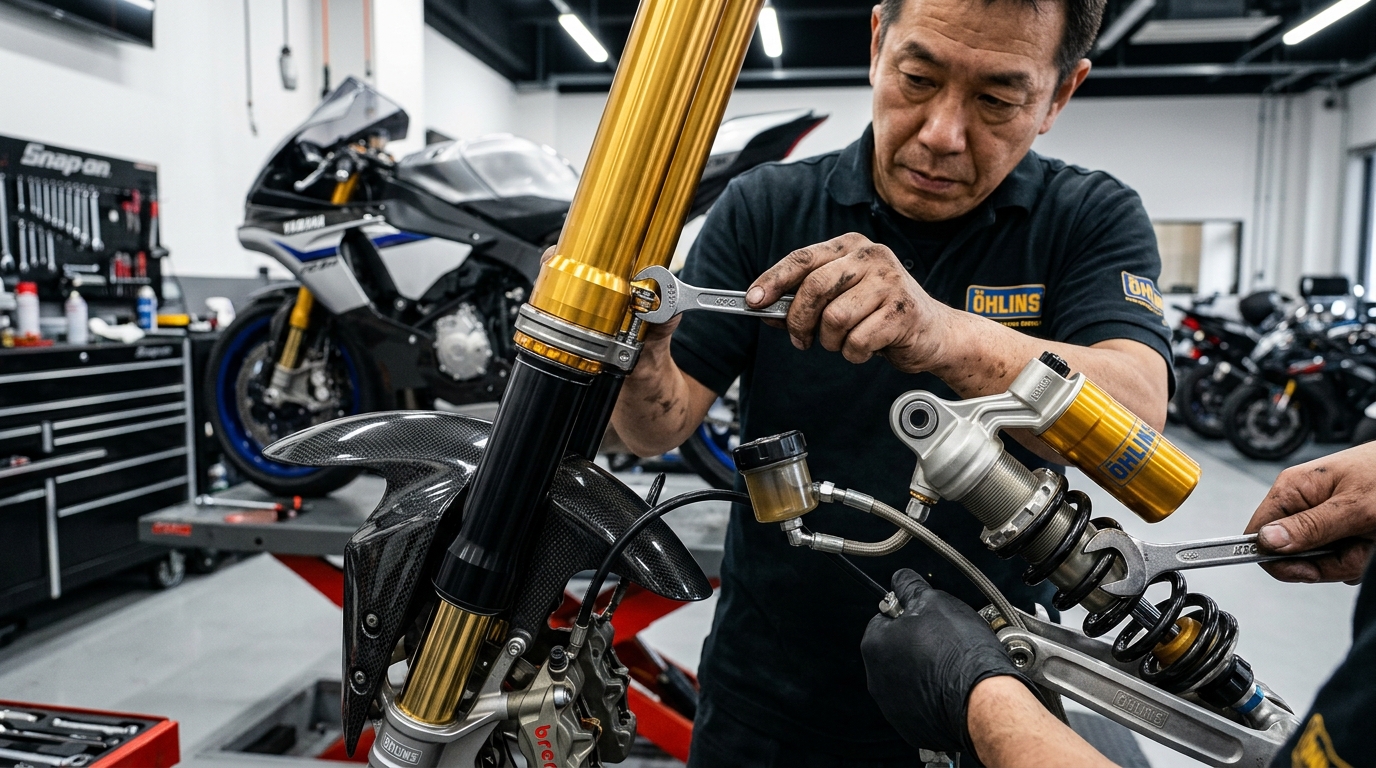
Hey there motorcycle enthusiasts! Are you struggling with starting your bike? Don’t worry, we’ve got you covered. In this article, we’ll be sharing the top tips for "choking" your motorcycle to ensure a smooth start every time. Whether you’re a seasoned rider or just getting started, read on for expert advice on mastering this essential skill. Let’s rev up those engines and dive in!
Ensuring Proper Fuel Flow for Smooth Start-Up
One of the most common reasons motorcycles have trouble starting is due to a lack of proper fuel flow. Ensuring that your bike is receiving the right amount of fuel is essential for a smooth start-up every time. Here are some tips to help you avoid choking your motorcycle and ensure a successful start:
- Check the fuel level: Make sure your motorcycle has enough fuel to start. Running on empty will cause your bike to struggle to start.
- Inspect the fuel lines: Check for any kinks or blockages in the fuel lines that may be hindering the flow of gasoline to the engine.
- Clean the carburetor: A dirty carburetor can prevent fuel from properly reaching the engine. Regular cleaning and maintenance can help prevent starting issues.
By following these simple tips, you can avoid choking your motorcycle and ensure a smooth start-up every time you hit the road.

Understanding the Importance of Air and Fuel Mixture
When it comes to starting your motorcycle, understanding the importance of the air and fuel mixture is crucial. Getting this balance right can make all the difference in getting your bike up and running smoothly. Here are some tips to ensure you don’t end up choking your motorcycle:
- Check the choke: Make sure your choke is set properly before starting your motorcycle. The choke restricts the air intake to create a richer fuel mixture for cold starts.
- Give it time: Allow the engine to warm up before riding off. This gives the air and fuel mixture time to stabilize and ensures optimal performance.
- Listen to your bike: Pay attention to how your motorcycle sounds when starting. If it’s struggling or stalling, the air and fuel mixture may need adjusting.

Priming Your Motorcycle Engine for Optimal Performance
When it comes to getting your motorcycle engine ready for optimal performance, one key step is properly priming it before starting. By following the right steps, you can ensure that your engine is ready to go and running smoothly.
One important aspect of priming your motorcycle engine is the process of “choking” it. This involves restricting the flow of air to the engine to create a richer air-fuel mixture for easier starting. Here are some tips to keep in mind:
- Know your choke: Make sure you understand how your motorcycle’s choke works and when to use it. Consult your owner’s manual for specific instructions.
- Use the choke sparingly: Only use the choke as needed, as using it excessively can flood the engine with fuel and cause starting problems.
- Warm up the engine: Once the engine has started, allow it to warm up for a few minutes before riding to ensure optimal performance.
The Role of the Choke Lever in Cold Starts
The choke lever on your motorcycle plays a crucial role in helping start your engine in cold weather. By enriching the fuel-air mixture, the choke lever ensures that the engine receives enough fuel to ignite and run smoothly when it’s cold outside.
Here are some tips for using the choke lever effectively during cold starts:
– **Pull the choke lever out**: When starting your motorcycle in cold weather, make sure to pull the choke lever out to enrich the fuel-air mixture. This will provide the engine with the extra fuel it needs to ignite and run smoothly until it warms up.
– **Adjust the choke as needed**: As the engine warms up, you may need to gradually push the choke lever back in to lean out the fuel-air mixture. Pay attention to how the engine sounds and feels to determine when it’s ready for the choke to be adjusted.
– **Don’t forget to push the choke lever back in**: Once the engine has warmed up and is running smoothly, remember to push the choke lever back in fully. Running the engine with the choke out for too long can cause fouling of the spark plugs and affect performance.
Mastering the Art of Choking: Dos and Don’ts
Tips for Starting Your Motorcycle
When it comes to starting your motorcycle, mastering the art of choking is essential for a smooth ride. Here are some dos and don’ts to help you choke your motorcycle like a pro:
- Do: Slowly engage the choke lever or knob to enrich the fuel-air mixture.
- Do: Listen for the engine’s response and adjust the choke as needed for a smooth start.
- Don’t: Over-choke the engine, as this can flood it with fuel and make starting more difficult.
- Don’t: Forget to release the choke once the engine is warmed up to prevent running rich.
| Do | Don’t |
|---|---|
| Slowly engage the choke | Over-choke the engine |
| Listen for the engine’s response | Forget to release the choke |

Adjusting the Choke for Different Riding Conditions
Adjusting the choke on your motorcycle can make a significant difference in how well your bike starts and runs in different riding conditions. When starting your motorcycle in cold weather, you may need to adjust the choke to allow more fuel into the engine for a richer air-fuel mixture. This can help your bike start more easily and run smoothly in colder temperatures. On the other hand, when riding in warmer weather, you may need to adjust the choke to allow less fuel into the engine for a leaner air-fuel mixture. This can prevent your bike from running too rich and bogging down in hot conditions.
It’s important to experiment with the choke settings on your motorcycle to find the optimal adjustment for different riding conditions. Here are some tips for adjusting the choke on your bike:
– Start by understanding how the choke works on your specific motorcycle model. Refer to your owner’s manual for guidance on how to adjust the choke properly.
– When starting your bike in cold weather, gradually increase the choke setting until the engine starts smoothly. Once the engine is running smoothly, gradually decrease the choke setting to prevent the engine from running too rich.
– When riding in warm weather, start with a lower choke setting and adjust as needed to ensure smooth engine performance without running too lean.
By mastering the art of adjusting the choke on your motorcycle, you can ensure optimal performance in a variety of riding conditions. Practice makes perfect, so don’t be afraid to experiment and fine-tune your choke settings to suit your specific riding style and environment.
Troubleshooting Common Choke Problems
When it comes to on your motorcycle, it’s important to follow these starting tips for a smooth ride:
- Check the Choke Lever: Make sure the choke lever is in the correct position before starting your motorcycle. If it’s not in the right place, adjust it accordingly.
- Inspect for Clogs: A common issue with chokes is clogging, which can prevent proper airflow. Check for any obstructions and clear them out if necessary.
- Ensure Proper Fuel Flow: Sometimes a choke problem can be due to insufficient fuel flow. Check that your fuel tank is filled and there are no blockages in the fuel lines.
If you follow these tips and still experience choke problems, it may be a sign of a larger issue that requires professional maintenance. Don’t hesitate to seek help from a mechanic if needed to ensure your motorcycle is running smoothly.

Fine-Tuning Your Choking Technique for Efficiency
When it comes to starting your motorcycle, mastering the art of choking is crucial for a smooth and efficient start. Fine-tuning your technique can make all the difference in getting your bike up and running quickly. Here are some tips to help you improve your choking technique:
- Know your choke: Familiarize yourself with the location of the choke on your motorcycle. It’s typically located near the handlebars or on the carburetor.
- Use it when needed: Only use the choke when starting a cold engine. Engaging the choke when the engine is already warm can flood the engine and make starting more difficult.
- Adjust as necessary: Experiment with adjusting the choke to find the sweet spot for your bike. Too much choke can flood the engine, while too little may not provide enough fuel for a cold start.

Tips for Storing Your Motorcycle with a Choked Engine
When storing your motorcycle with a choked engine, there are a few key tips to keep in mind to ensure it starts smoothly when you’re ready to hit the road again. Follow these guidelines to make sure your bike is in top condition:
- Make sure your fuel tank is filled up to prevent the fuel from going stale and clogging up the engine.
- Add a fuel stabilizer to the tank to prevent corrosion and ensure easy starting when you return to your bike.
- Remove the spark plug and add a small amount of oil to the cylinder to prevent corrosion on the walls.
By following these tips, you can ensure that your motorcycle with a choked engine will be ready to go when you are. Proper storage techniques are essential for maintaining the longevity and performance of your bike.
Riding a motorcycle is a thrilling experience, but getting it started can sometimes be a bit tricky. By following these tips on how to properly choke your motorcycle, you’ll be on the road in no time. Remember, a well-maintained motorcycle is a happy motorcycle. So, keep those engines purring and enjoy the ride!