Are you a motorcycle enthusiast curious about the inner workings of these mean machines? If so, get ready to rev up your knowledge as we dive into the captivating world of motorcycle rectifiers. In this article, we’ll uncover the mysteries surrounding this vital component and explore what it actually does. Buckle up and prepare to be electrified by some eye-opening insights that will leave you in awe of the incredible engineering behind your two-wheeled companion. So, grab a cup of coffee, sit back, and join us on this electrifying journey of discovery!
1. Understanding Motorcycle Rectifiers: Unleashing the Power of DC Current
A motorcycle rectifier may sound like a complex piece of machinery, but understanding its purpose is vital for any motorcycle enthusiast. In simple terms, a rectifier is a device that converts alternating current (AC) into direct current (DC) which powers major electrical components on your bike. It plays a crucial role in ensuring a smooth and reliable flow of electricity throughout the motorcycle’s electrical system.
One of the primary responsibilities of a rectifier is to prevent the battery from discharging while the motorcycle is running. It does this by converting the AC current generated by the motorcycle’s alternator into DC, which can be used to charge the battery. This ensures that the battery maintains a consistent charge and is ready to power the electrical components of the motorcycle whenever needed.
Additionally, the rectifier helps regulate the voltage being supplied to the electrical components. It prevents excessive voltage from reaching sensitive components, such as the lights and electronic systems, which can lead to damage or malfunction. By converting AC to DC and maintaining a stable voltage output, the rectifier safeguards the electrical system from potential overload and prolongs the lifespan of various components.
In summary, the rectifier on a motorcycle is an essential component that converts and regulates the flow of electricity, ensuring a reliable power supply to various electrical systems. Without a properly functioning rectifier, your motorcycle’s electrical components may not operate efficiently, potentially leading to breakdowns and costly repairs. So, next time you hop on your bike, remember the crucial role of the rectifier in unleashing the power of DC current.

2. The Role of a Rectifier in Motorcycle Electrical Systems: An Essential Powerhouse
The role of a rectifier in motorcycle electrical systems is nothing short of vital. Acting as an essential powerhouse, the rectifier’s primary function is to convert alternating current (AC) from the motorcycle’s generator into direct current (DC) that can be used to charge the battery and power various electrical components. Without a rectifier, the battery would not receive a steady and reliable source of DC power, leading to potential starting issues and a lack of power for the motorcycle’s electrical systems.
But how does the rectifier achieve this crucial task? The secret lies in its ingenious design. By utilizing diodes, the rectifier allows current to flow in only one direction, effectively converting the AC output from the generator into DC. These diodes act as electrical check valves, ensuring that the current flows from the generator to the battery, preventing unwanted reverse flow that could cause damage to the electrical system.
Furthermore, the rectifier also plays a crucial role in regulating the voltage output to the battery. This prevents overcharging, which could lead to battery damage and even a potential hazard. By maintaining a consistent and steady flow of DC power, the rectifier keeps the electrical system in perfect balance, allowing riders to enjoy a reliable and efficient motorcycle experience.
In conclusion, the rectifier serves as the unsung hero within a motorcycle’s electrical system. With its ability to convert AC to DC and regulate voltage output, it ensures that electrical components receive a constant and dependable source of power. So next time you start your motorcycle effortlessly or enjoy the convenience of your bike’s electrical systems, remember the essential role played by the rectifier, silently powering your ride.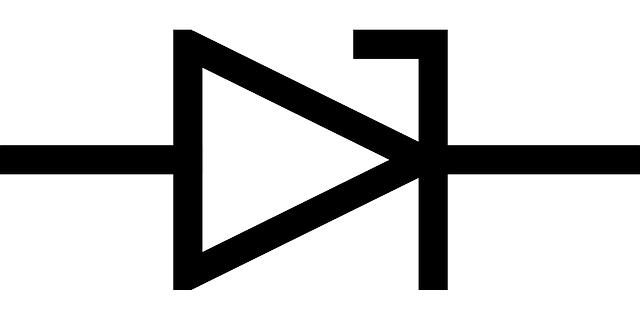
3. Rectifiers 101: How Do They Convert AC to DC Current for Motorcycle Batteries?
Rectifiers play a crucial role in the operation of motorcycle batteries by converting alternating current (AC) to direct current (DC). This process is necessary because motorcycles typically rely on a DC power source to charge their batteries and power their electrical components. So, how exactly do rectifiers accomplish this conversion? Let’s dive into the fascinating world of rectifiers and unravel the mystery!
-
What is a rectifier?
A rectifier is an electrical device that changes the flow of current from AC to DC. It ensures that the current flows in one direction, removing any unwanted fluctuations or reversals in the electrical signal. In simpler terms, it takes the oscillating AC waveform and smooths it out into a continuous DC waveform, providing a constant and stable source of power. -
Half-wave and full-wave rectifiers:
There are two common types of rectifiers used in motorcycles, namely half-wave and full-wave rectifiers. The half-wave rectifier allows only one-half of the AC waveform to pass through, resulting in a pulsating DC waveform. On the other hand, the full-wave rectifier uses both halves of the AC waveform, producing a smoother and more consistent DC waveform. - The role of the regulator:
While the rectifier converts AC to DC, it’s important to note that it doesn’t regulate the voltage output. For this reason, motorcycle charging systems often include a regulator. The regulator controls the voltage and current produced by the rectifier, ensuring that the battery and electrical components receive a consistent and appropriate level of power.
In conclusion, rectifiers are indispensable components of motorcycle electrical systems, enabling the conversion of AC to DC current. Understanding their function and types can help you appreciate the vital role they play in keeping your motorcycle’s battery charged and powering all your electrical goodies on the road. So, the next time you hit the throttle, remember to thank the rectifier silently humming away, silently delivering the steady stream of DC power your bike needs to keep running smoothly!
4. Common Motorcycle Rectifier Problems: Troubleshooting for a Smooth Ride
A motorcycle rectifier plays a crucial role in the proper functioning of your bike’s electrical system. It is responsible for converting the alternating current (AC) generated by the engine into direct current (DC) that your motorcycle’s battery and electronic components can use.
However, like any other component, rectifiers can experience problems that can affect the performance of your motorcycle. Here are some common rectifier issues and troubleshooting tips to ensure a smooth ride:
-
Overheating: One of the most common problems with rectifiers is overheating. This can happen due to a faulty rectifier, poor wiring, or a high electrical load. Signs of an overheating rectifier include a burning smell, dim headlights, or difficulty starting the bike. To troubleshoot this issue, check the connections, ensure proper ventilation, and consider using a heat sink or fan to cool the rectifier.
-
Voltage fluctuations: If you notice that your motorcycle’s battery is not charging properly or that the electrical system is not providing consistent power, it could be due to voltage fluctuations. This can occur when the rectifier is not regulating the flow of current correctly. To diagnose this problem, use a multimeter to check the voltage output of the rectifier. If it is not within the specified range, you may need to replace the rectifier.
- Rectifier failure: In some cases, the rectifier may fail completely, causing a total loss of power to your motorcycle. This can happen due to old age, excessive heat, or electrical overload. Symptoms of rectifier failure include a dead battery, flickering lights, or a non-responsive electrical system. When this happens, it’s essential to replace the rectifier promptly to avoid further damage to your bike’s electrical components.
Understanding the role of a rectifier and being aware of common problems and their solutions can help you diagnose and fix issues before they escalate. Remember, if you’re unsure about tackling any electrical problems on your motorcycle, it’s always best to consult a professional mechanic to ensure a safe and smooth ride.
5. Choosing the Right Motorcycle Rectifier: Enhancing Performance and Reliability
A crucial component of a motorcycle’s electrical system, the rectifier plays a vital role in ensuring the smooth and efficient functioning of the bike. Simply put, the rectifier converts the alternating current (AC) produced by the motorcycle’s charging system into direct current (DC), which is essential for powering the various electrical components, such as the lights, horn, and ignition system. Without a properly functioning rectifier, the bike’s electrical system wouldn’t be able to operate optimally, leading to issues such as a weak battery, dim lights, or even a complete failure to start.
But why is choosing the right motorcycle rectifier so important? Well, the performance and reliability of your bike depend heavily on it. A high-quality rectifier not only efficiently converts AC to DC, but it also regulates the voltage output, preventing any potential overcharging that can damage the battery and electrical components. Additionally, a reliable rectifier ensures a stable and consistent power supply, minimizing any fluctuations that could negatively impact the bike’s performance.
When selecting a rectifier, it’s crucial to consider a few key factors. Firstly, the compatibility with your motorcycle’s make and model is essential. Consult the manufacturer’s specifications or seek professional advice for the correct fit. Secondly, opt for a rectifier that is made from durable and heat-resistant materials, as it needs to withstand the demanding conditions of motorcycle riding. Lastly, choose a rectifier from a reputable brand known for producing high-quality electrical components.
In conclusion, the rectifier is a vital component of a motorcycle’s electrical system, responsible for converting AC to DC and ensuring a stable power supply to the bike’s electrical components. By choosing the right rectifier, you can enhance performance and reliability, avoiding potential issues such as battery problems or electrical failures. So, invest in a quality rectifier that suits your motorcycle, and enjoy a smooth and electrifying ride!
6. Maintaining Your Motorcycle’s Rectifier: Tips for Prolonging its Lifespan
One of the crucial components in your motorcycle’s electrical system is the rectifier. Although often overlooked, the rectifier plays a significant role in converting the alternating current (AC) produced by the engine’s stator into direct current (DC) that can be used to power the various electrical components on your bike.
To ensure the longevity of your motorcycle’s rectifier, it is essential to follow a few simple maintenance tips. Firstly, regularly inspect the rectifier for any signs of damage or corrosion. If you notice any, it’s important to address the issue promptly to prevent further damage or potential failure. Secondly, clean the rectifier regularly to remove any dirt or debris that may have accumulated. This can be done using a soft cloth or brush.
Another important step in maintaining your rectifier is to keep it cool. Excessive heat can cause the rectifier to malfunction or even burn out. Make sure that the rectifier has proper airflow and is not obstructed by any objects. Additionally, consider installing a heat shield or using heat-resistant materials to protect the rectifier from extreme temperatures.
By following these tips and incorporating regular maintenance into your motorcycle care routine, you can prolong the lifespan of your rectifier and ensure that your bike’s electrical system continues to operate smoothly. Remember, a healthy rectifier means a happier and more reliable ride!
7. Upgrading Your Rectifier: Unleashing Full Potential and Preventing Electrical Issues
When it comes to optimizing your motorcycle’s performance and ensuring a smooth ride, upgrading your rectifier is a crucial step. A rectifier is an essential component that converts alternating current (AC) into direct current (DC) for various electrical systems in your bike. Upgrading your rectifier can unleash its full potential, giving you improved power output, better charging efficiency, and tighter regulation of electrical current.
One of the significant benefits of upgrading your rectifier is preventing electrical issues. A faulty or outdated rectifier can lead to a range of problems, including battery drain, dimming headlights, and even engine stalls. By investing in a high-quality rectifier, you can avoid these headaches and ride with confidence, knowing that your electrical system is operating optimally.
When choosing a new rectifier, there are a few key factors to consider. Look for a rectifier that offers higher output capacity, as this will ensure your bike receives sufficient power for all its components. Additionally, consider the construction and durability of the rectifier to ensure it can withstand the harsh conditions of motorcycle riding.
In conclusion, upgrading your rectifier is a smart move for any motorcycle enthusiast looking to improve their bike’s electrical performance. By doing so, you can unlock its full potential, prevent electrical issues, and enjoy a reliable and powerful ride. Invest in a high-quality rectifier, and watch as your motorcycle’s electrical system comes alive like never before.
8. Unveiling the Benefits of Upgraded Rectifiers: Improved Efficiency and Battery Life
Rectifiers play a crucial role in the smooth functioning of a motorcycle’s electrical system, and understanding their benefits can greatly enhance your riding experience. Upgraded rectifiers, in particular, bring a wealth of advantages, including improved efficiency and longer battery life.
One of the primary benefits of upgraded rectifiers is their enhanced efficiency. These modern devices convert the alternating current (AC) generated by the motorcycle’s engine into direct current (DC) that is required to power various electrical components. By efficiently transforming AC to DC, upgraded rectifiers minimize energy loss and optimize the electrical system’s overall performance. This translates into a more responsive and reliable motorbike, as well as reduced strain on your battery.
Another advantage of upgraded rectifiers is the extended battery life they offer. A rectifier’s main function is to ensure that the battery receives a constant and stable supply of DC power. By delivering a consistent flow of electricity, upgraded rectifiers prevent unnecessary strain on the battery, thereby increasing its lifespan. This means less frequent battery replacements and potential savings in the long run.
To summarize, upgrading your motorcycle’s rectifier can yield significant benefits. Improved efficiency means a well-performing electrical system, while extended battery life reduces the need for frequent replacements. So, whether you’re a seasoned rider or a novice enthusiast, it’s worth considering the advantages of upgraded rectifiers for your motorcycle.
9. Troubleshooting Motorcycle Rectifier Failures: Expert Recommendations
One of the most vital components of a motorcycle’s electrical system is the rectifier, yet many riders are unsure of its purpose and function. To shed light on this electrifying subject, let’s dig into the world of motorcycle rectifiers and why they are so crucial.
Put simply, a rectifier converts alternating current (AC) to direct current (DC) to ensure a constant flow of electrical energy throughout the motorcycle. This conversion process plays a pivotal role in supplying power to essential components like the battery, ignition system, and lights. Without a properly functioning rectifier, your motorcycle’s electrical system would come to a halt, leaving you stranded on the road.
Understanding how a rectifier works is essential in troubleshooting rectifier failures. Common signs of a faulty rectifier include battery draining quickly, dim headlights, or even a complete electrical failure. If you encounter any of these issues, it’s important to take immediate action to prevent further damage to your motorcycle. Always consult an expert and follow these recommendations to troubleshoot rectifier failures effectively:
-
Perform a voltage test: Use a multimeter to measure the voltage output of your rectifier. Ideally, it should produce a steady 14 volts when the engine is running. If the reading is significantly lower or fluctuates, it indicates a possible rectifier failure.
-
Inspect wiring connections: Loose or corroded wiring connections can disrupt the electrical flow and cause rectifier issues. Regularly check and clean the connections to ensure a tight and reliable connection.
- Test the stator: The stator is responsible for generating the AC power that the rectifier converts to DC. If the stator is faulty, it can lead to rectifier failures. Perform a resistance test on the stator to determine its condition.
Remember, rectifier failures can occur due to various reasons, including heat damage, overcharging, or even water exposure. By staying knowledgeable about rectifier functions and following these expert recommendations, you can troubleshoot and resolve rectifier failures efficiently, ensuring a smooth and electrifying ride.
10. Rectifier Safety Measures: Protecting Your Motorcycle’s Electrical System
Electricity is the lifeblood of your motorcycle’s electrical system, and the rectifier plays a crucial role in ensuring a smooth and efficient flow of power. But what exactly does a rectifier do, and why is it important to take safety measures to protect it? Let’s dive into the electrifying world of rectifiers and discover how you can safeguard your bike’s electrical system.
A rectifier is a device that converts alternating current (AC) into direct current (DC), allowing your motorcycle’s battery to charge effectively. It keeps the electrical system running smoothly, powering essential components such as the lights, ignition system, and even the charging of your phone or other accessories. Without a properly functioning rectifier, your bike’s electrical system can suffer from erratic voltage, poor battery charging, and potential damage to sensitive electronics.
Here are some safety measures to protect your motorcycle’s rectifier:
- Regular Inspection: Check your rectifier regularly for any signs of damage or loose connections. Ensure that it is securely mounted and protected from moisture, excessive heat, and vibration.
- Keep it Clean: Dirt and grime buildup can hinder the rectifier’s performance and lead to overheating. Clean it regularly using a soft brush or compressed air, being careful not to damage any delicate components.
- Avoid Overloading: Be mindful of the electrical load you put on your motorcycle. Avoid using high-powered accessories that may exceed the rectifier’s capacity, as this can lead to overheating and potential failure.
- Use Quality Parts: When replacing or repairing your motorcycle’s electrical system, always opt for high-quality, reliable components. Cheap or substandard parts may not provide adequate protection or have a shorter lifespan.
- Proper Wiring: Ensure the rectifier is correctly wired, following the manufacturer’s instructions or seeking professional assistance if needed. Improper wiring can lead to voltage spikes or short circuits that can damage the rectifier.
Remember, taking care of your motorcycle’s rectifier is vital to maintaining a reliable and efficient electrical system. By following these safety measures, you can protect your bike from costly repairs, ensure a smooth ride, and keep the sparks flying!
So, there you have it – the electrifying insights on what a rectifier does on a motorcycle! Hopefully, this article has shed some light on this often overlooked component and its crucial role in your bike’s electrical system. From converting alternating current to direct current, to ensuring smooth charging of the battery, the rectifier is truly a key player in keeping your motorcycle running smoothly. Now that you’re armed with this knowledge, you can appreciate just how important it is to have a properly functioning rectifier. So next time you hit the road, you’ll be cruising with the confidence of understanding one more aspect of your beloved two-wheeler’s inner workings. Stay safe and enjoy the ride!