The most famous soccer players from Spain include Xavi Hernandez, Andres Iniesta, Sergio Ramos, and Iker Casillas. These icons defined a legendary era of football excellence. Modern phenoms like Lamine Yamal now carry this torch forward on the grandest stages.
Many fans remember the magical passing sequences of FC Barcelona and the national team. Yet, the true tactical genius behind these players goes much deeper. Tactical analysts know that mere passing accuracy does not win trophies alone.
Something far more complex powered Spain to global dominance over the last two decades. Most standard rankings completely miss the hidden tactical shifts these players pioneered. Do you know the secret tactical evolution that turned good players into unstoppable global conquerors?
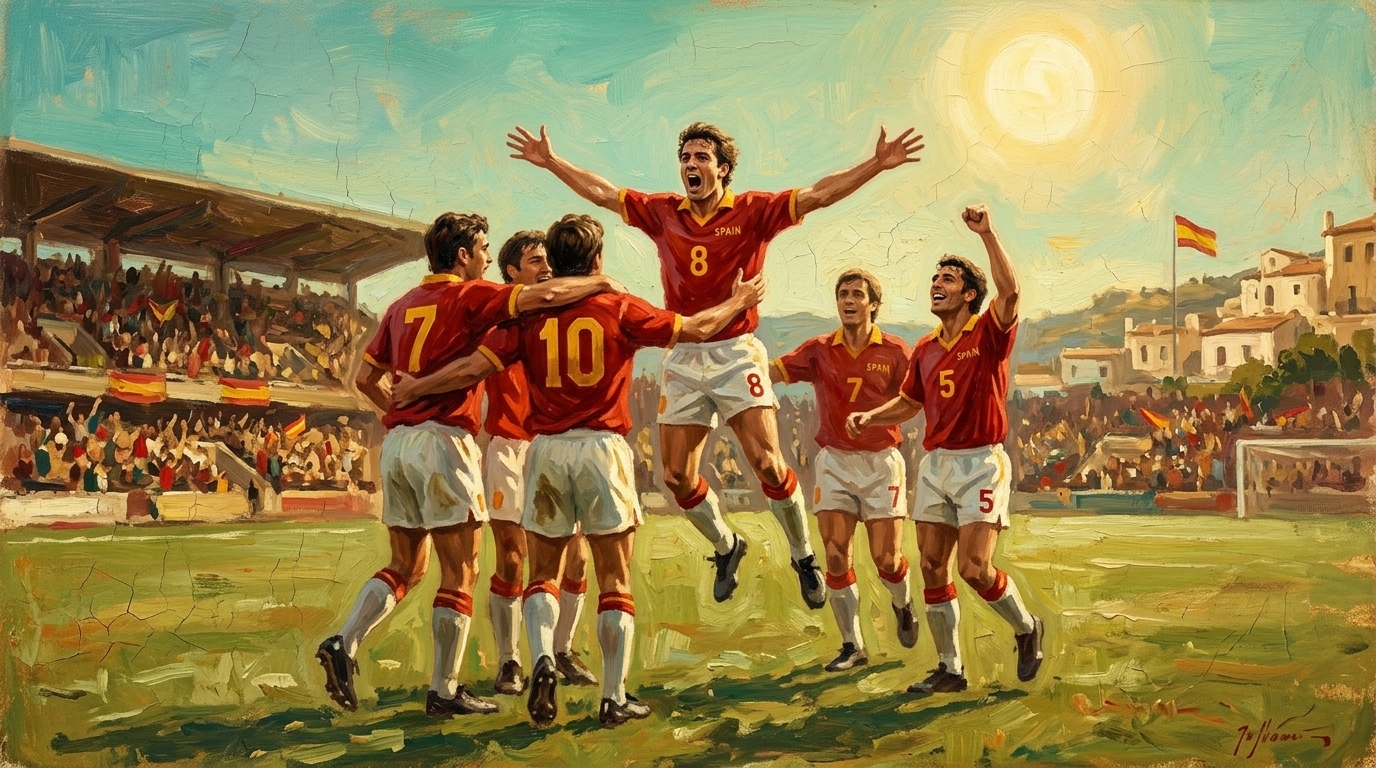
The Most Famous Soccer Players From Spain
Spain consistently produces athletes possessing extraordinary technical abilities and vision. Fans universally recognize players who fundamentally altered how teams approach the sport.
These individuals dominate highlight reels and tactical analysis boards alike. David Villa stands out as the all-time top scorer for the national squad. He provided ruthless finishing during crucial knockout matches.
Sergio Busquets anchored the center of the pitch with unmatched intelligence. Busquets controlled the tempo while shielding his defenders flawlessly.
Together, these athletes formed a terrifying unit for opposing managers to face. They redefined positional play and ball retention on the grandest stages.
Elite academies across the country continuously mold incredibly gifted youngsters. Coaches instill a deep understanding of spatial awareness from a very early age.
This rigorous education guarantees a steady pipeline of world-class talent. Countless hours of drilling pass-and-move sequences create an instinctive telepathy among teammates.
This synergy allows them to dominate possession effortlessly against physical opponents. Their technical supremacy turns chaotic matches into highly controlled tactical exercises.
The Golden Generation and World Cup Winners
The Spanish Golden Generation represents peak international dominance between 2008 and 2012. This squad secured three consecutive major tournaments with spectacular flair.
No other European nation matches this incredible sequence of victories. They became legendary World Cup winners in South Africa against brutal opposition.
Their historic 2010 World Cup victory validated their revolutionary approach to the sport. Opponents simply chased shadows as Spain circulated the ball endlessly.
This era required immense stamina and technical perfection from every single player. The squad executed flawless pressing strategies right after losing possession.
They suffocated opponents and forced mistakes in dangerous areas constantly. Managers around the world frantically tried decoding this winning formula.
However, mimicking their success proved impossible without players possessing similar technical foundations. This team set a standard that remains virtually untouchable today.
Midfield Maestros: The Architects of Tiki-Taka
Every great system requires a brilliant midfield maestro to orchestrate the complex movements. Spain boasted several of the greatest midfielders in soccer history simultaneously.
They dictated the rhythm and geometry of every single match. Their collective mastery of the tiki-taka style mesmerized audiences worldwide.
- Tiki-taka relies on short, rapid passes and constant positional rotation.
- Players triangulated perfectly to create passing options under extreme pressure.
- They manipulated defensive structures by shifting the ball rapidly side to side.
This approach exhausted rival defenders mentally and physically throughout the game. Once a gap appeared, these maestros delivered the lethal final pass.
This philosophy fundamentally shifted how modern teams train and compete globally. Midfielders stopped relying entirely on physical tackling and aerial dominance.
Brains and technique completely replaced pure brawn in the center circle.
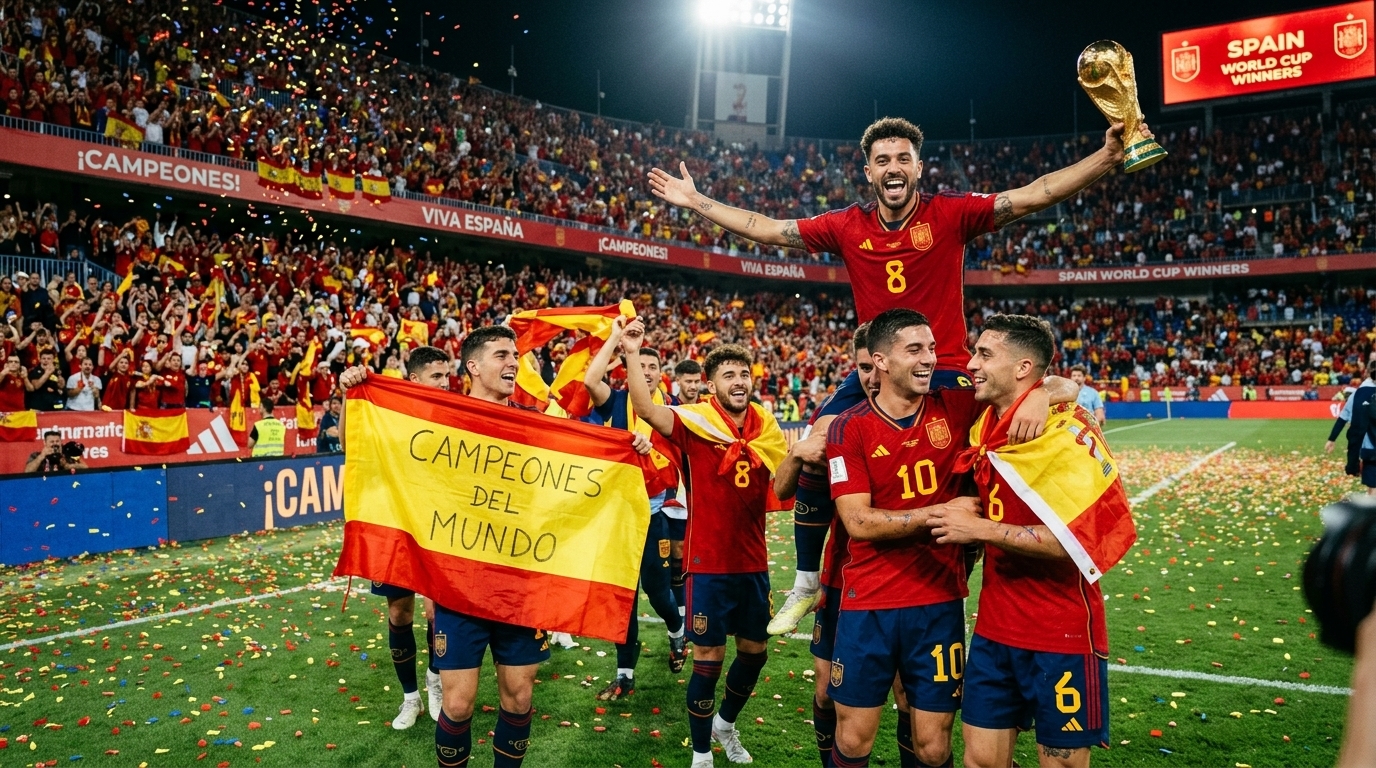
How to Play Like a Spanish Midfielder: Passing Accuracy & Vision
Aspiring athletes constantly study these legends to improve their own mechanics. Developing an unmatched vision and passing range takes years of relentless practice.
Spanish academies emphasize cognitive speed over raw physical power. Exceptional passing accuracy forms the absolute foundation of this demanding role.
You must know your next move before receiving the ball. Scanning the field constantly allows players to spot numerical advantages instantly.
A true Spanish midfielder never forces a risky forward pass unnecessarily. They prefer keeping possession until the perfect attacking lane completely opens up.
Patience and precise execution break down the most stubborn defensive blocks. Body positioning also plays a critical role in this elegant style.
Receiving passes on the half-turn enables rapid forward progression. This subtle technique shaves crucial milliseconds off every attacking transition.
Mastering these intricate details separates average players from true world-class talents. The best midfielders disguise their intentions using clever eye movements and feints. They manipulate space masterfully to carve open the tightest defensive formations.
Building a Defensive Legend: Leadership and Clean Sheets
Offense wins matches, but a solid defense guarantees major trophies. Sergio Ramos forged his reputation as a ruthless defensive legend. He intimidated attackers while initiating plays from the back line.
Ramos provided vocal leadership that organized the entire defensive structure flawlessly. Behind him stood Iker Casillas, commanding his penalty area with absolute authority.
Casillas produced miraculous saves during high-stakes penalty shootouts and finals. Their combined efforts resulted in record-breaking streaks of clean sheets internationally.
They completely shut down the most dangerous forwards on the planet. This defensive solidity gave the attackers absolute freedom to play creatively.
Great defenders also launch counter-attacks with pinpoint diagonal passes. The backline operated as the very first layer of the team’s offense. They blended aggressive tackling with supreme ball distribution beautifully.
Club vs. Country: The Real Madrid and FC Barcelona Divide
Domestic rivalries often threaten to destroy national team harmony completely. Players from Real Madrid and FC Barcelona fiercely hated each other domestically.
El Clasico matches regularly featured brutal tackles and heated altercations. However, these elite athletes left their bitter club tribalism at the door.
When they wore the shirt of La Roja, they fought as brothers. Managers expertly handled these giant egos to forge a powerful united front.
This intense domestic competition actually sharpened their skills for international duty. Training sessions featured the absolute highest level of intensity imaginable. This unified front propelled Spain to their greatest historic achievements.
A shared desire to win World Cups easily eclipsed local grievances. Leaders from both rival clubs demanded total commitment from the entire squad. This fragile truce ultimately delivered unprecedented glory for their nation.
Modern Era: Lamine Yamal and the New Age of La Roja
The current generation plays with a direct, explosive attacking style. Lamine Yamal currently electrifies crowds with his incredible dribbling skills.
He represents the thrilling future of Spanish football on the wing. Modern tactics require every forward to act as a potent attacking threat.
A modern prolific striker must press high and link play seamlessly. They cannot rely solely on a clinical finish inside the box.
Today’s squad blends traditional possession principles with lightning-fast vertical transitions. They punish disorganized defenses before opponents can regroup effectively.
This tactical evolution keeps Spain at the pinnacle of world football. Young talents now merge street-style flair with rigid tactical discipline.
They attack spaces aggressively rather than just recycling possession endlessly. This aggressive approach terrifies opposing fullbacks during every single match.
This exciting evolution guarantees their continued dominance in upcoming global tournaments. The national team constantly adapts to the ever-changing physical demands of soccer. They refuse to rest on the laurels of their historic predecessors.
The Legacy of Spain’s Greatest: Conclusion
These spectacular athletes permanently transformed global tactical approaches to the sport. Coaches at all levels now emphasize ball retention and positional fluidity.
The Spanish methodology clearly dictates the modern standard of excellence. Future generations will constantly measure themselves against these historic achievements.
The legacy of these incredible players extends far beyond their trophy cabinets. They elevated professional soccer into a mesmerizing form of kinetic art.
Fans eagerly anticipate the next group of prodigies emerging from Spanish academies. The tactical evolution continues as new talents push athletic boundaries further.
Spain remains a supreme powerhouse shaping the beautiful game every day. The story of Spanish football serves as a masterclass in tactical innovation.
They proved that technique and intelligence conquer physical force consistently. Their influence will undoubtedly resonate across pitches worldwide for decades.
Frequently Asked Questions
Who are the most famous soccer players from Spain?
Some of the greatest include Xavi Hernandez, Andres Iniesta, and Iker Casillas, who formed the core of the Golden Generation. Today, rising stars like Lamine Yamal are making history for La Roja on the international stage, continuing Spain’s legacy of football excellence.
What is the Golden Generation of Spanish soccer?
The Golden Generation refers to the iconic Spanish national team that dominated from 2008 to 2012. These historic World Cup winners achieved consecutive major tournament victories, transforming global football with their revolutionary possession-based tactics, unmatched passing accuracy, and extraordinary team cohesion.
Who is the all-time top scorer for the Spanish national team?
David Villa currently stands as the all-time top scorer for the Spanish national team. As a highly prolific striker known for his clinical finish, he served as the primary attacking threat during Spain’s 2010 World Cup victory, cementing his enduring legacy among soccer’s most elite forwards.
Why are Spanish midfield maestros so highly regarded?
Spanish midfield maestros like Xavi and Andres Iniesta are globally celebrated for their unmatched vision, exceptional passing accuracy, and supreme tactical intelligence. Their unique ability to act as the primary architect of the game completely redefined modern football, heavily influencing the worldwide mastery of the tiki-taka style.
Who is considered the greatest defensive legend from Spain?
Sergio Ramos is widely considered as Spain’s ultimate defensive legend. As a fierce and long-serving captain, he consistently led his teams to numerous crucial clean sheets and major trophies, showcasing truly exceptional leadership qualities for both Real Madrid and the Spanish national team throughout his illustrious career.
Editorial Note: This article was reviewed by our sports editorial team to ensure accuracy.
The editorial team at stmichaelssoccer.com is dedicated to providing high-quality, actionable soccer tips, terminology, and guides for fans and players.