
The exact f/c meaning changes completely based on where you read it.
In team names, the letters stand for Football Club. When you look at fantasy sports rosters or player stats, the slash indicates a hybrid Forward/Center (Position).
This dual meaning creates immediate confusion for new fans diving into the sport.
You might wonder why American teams use “football” in acronyms while fans scream “soccer” on the sidelines. Understanding this terminology unlocks the rich history behind the world’s most popular sport.
You will quickly notice how global traditions clash with local American naming habits.
A massive debate exists around one specific naming convention that American teams refuse to adopt. Countless supporters argue over the correct abbreviations for new expansion teams.
Do you know why major organizations keep ignoring local tradition and frustrating domestic fans?
What Does F/C Stand For in Soccer?
The abbreviation FC universally translates to Football Club across global leagues.
You see this acronym attached to massive sports organization identifiers like Barcelona FC or Liverpool FC. It firmly roots the team within the historic traditions of Association Football.
Clubs maintain this specific branding to honor their original founders. Fans recognize these two letters as a mark of authenticity and sporting heritage.
Changing this acronym often sparks massive outrage among local supporter groups.
However, inserting a slash introduces a completely different definition entirely. The f/c meaning shifts dramatically when you look at fantasy soccer notations.
Fantasy platforms designate a player with F/C to grant them dual-position eligibility.
A player holding this tag can slot into both forward and center roles on your virtual roster. This tag gives fantasy managers valuable flexibility when building their weekly lineups.
Smart managers actively hunt for these versatile players to maximize their scoring potential.
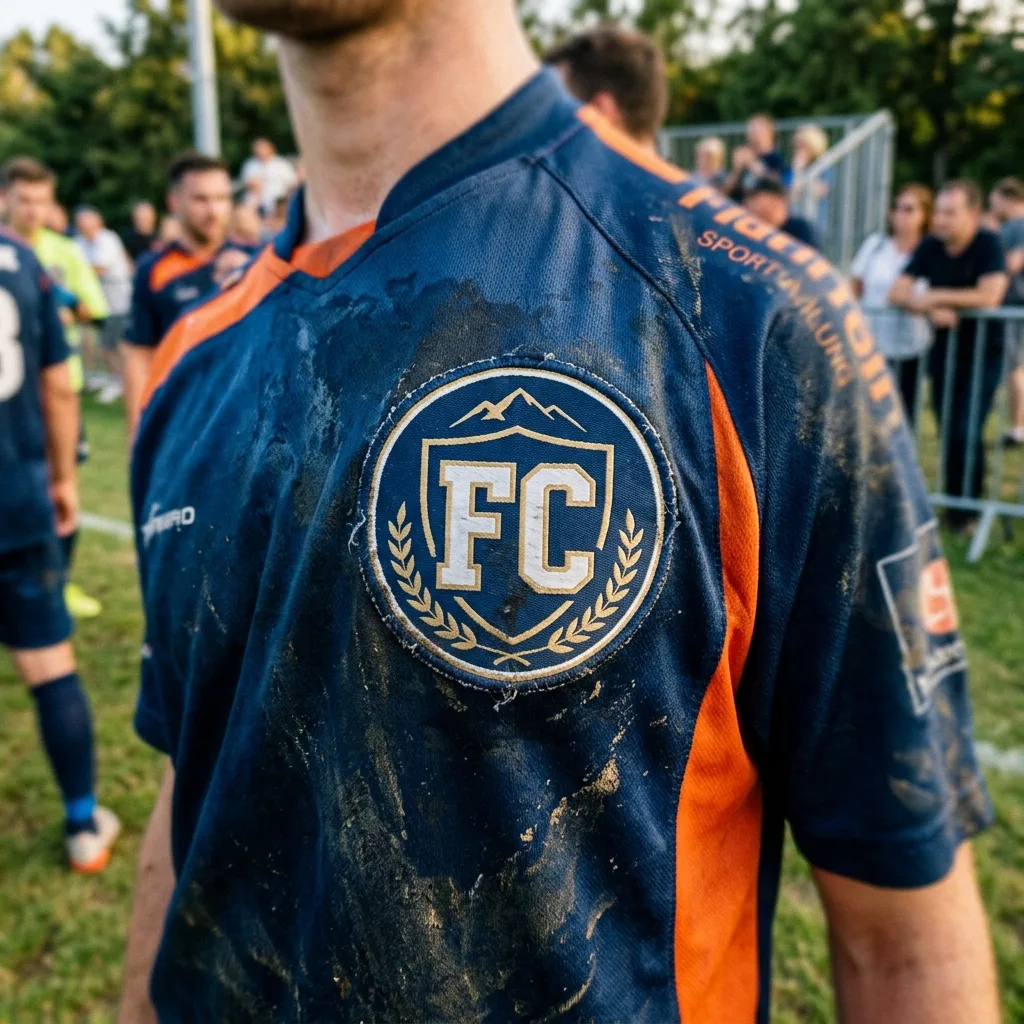
Football Club vs Forward/Center: Understanding the Slash
The slash literally splits two distinct sports contexts right down the middle.
A formal Football Club represents an entire organization, including players, staff, and academy teams. Official merchandise, stadium signs, and legal documents proudly display this abbreviation.
The club identity unifies thousands of fans under one recognizable banner. Generations of supporters pass down their loyalty to the local team.
It represents community pride rather than just a simple athletic roster.
Conversely, the Forward Center (F/C) position strictly defines a single player’s tactical role on the pitch.
This hybrid attacker operates centrally but pushes high up the field to score goals. Coaches rely on these players to break through tough defensive lines and create scoring chances.
These players must possess incredible stamina and sharp attacking instincts to succeed.
They bridge the gap between the midfield creators and the primary strikers. Recognizing this slash immediately tells you exactly how a player impacts the game.
The History of European Team Naming Conventions
Understanding the true meaning of FC in football requires a trip back to 19th-century England. Early teams functioned as social community groups rather than corporate sports franchises.
They adopted strict team naming conventions to reflect their localized roots and shared values.
Founders attached “Football Club” to distinguish their groups from local rugby or cricket societies. This established a deep connection to European Sports Culture that remains entirely intact today.
Communities rallied around these names to support their local working-class athletes.
Modern organizations still follow these historic blueprints when registering your new Football Club. The traditional naming format immediately signals authenticity and profound respect for the game’s origins.
Even wealthy modern owners hesitate to change these historic acronyms. Fans fiercely protect their club names as key pieces of local cultural heritage.
Removing the FC tag basically erases decades of community history. Therefore, the simple abbreviation carries immense emotional weight for hardcore supporters.
Why Do American Soccer Teams Use FC Instead of SC?
You will quickly notice the ongoing FC vs SC debate across the United States.
Fans often ask why domestic franchises choose “Football” over the local “Soccer” terminology. Major League Soccer (MLS) teams overwhelmingly prefer the traditional FC label.
Franchises like Los Angeles FC use the traditional acronym to appeal to a global audience. They want to align themselves with established international giants rather than isolate their brand.
The FC badge instantly grants a new franchise historical weight and instant credibility.
Marketing teams know that international fans respect the classic Football Club designation. They specifically choose FC to attract overseas viewers and sell international merchandise.
However, one big exception exists within this modern branding trend.
A few defiant organizations proudly adopt the SC tag to honor American sports culture. Franchises like Nashville SC embrace the word “soccer” to build authentic local identities.
Despite these rare exceptions, front offices continue prioritizing global appeal over local linguistic accuracy.
Common Soccer Abbreviations and Club Suffix Variants
The sport features dozens of unique soccer abbreviations beyond the standard FC. Teams frequently adopt specific club suffix variants (United, Rovers, City) to tell their origin story.
- United: Typically signifies the historic merger of two separate local clubs.
- Rovers: Points to a team that historically lacked a permanent home stadium. These wandering teams traveled across their regions to play matches wherever possible.
- City: Founders created these teams to represent the entire municipal population under one unified banner.
- Athletic or Sporting: These titles indicate that the soccer team belongs to a larger multi-sport organization across different European leagues.
Learning these labels helps you decode the rich history behind every crest.
You can easily master more terms by exploring our complete glossary of common soccer acronyms and abbreviations.
Understanding these suffixes transforms how you view international league tables. You instantly recognize the heritage of every team taking the pitch.
Conclusion: Clearing Up the F/C Confusion
The dual nature of this acronym no longer needs to confuse you on match day. The letters FC represent the historic backbone of a traditional sports organization.
Adding the slash transforms the meaning entirely into a tactical player designation.
You can now confidently read both a fantasy league roster and an international league table. Grasping these terms connects you deeper to the worldwide community of passionate fans.
Embrace these historic terms as you watch the sport grow across the globe.
Every abbreviation carries over a century of sporting tradition and community pride. Want to decode more confusing sports acronyms? Check out our complete glossary of common soccer acronyms and abbreviations to elevate your game knowledge today.
Frequently Asked Questions
What does F/C mean in soccer?
In most traditional contexts, F/C stands for Football Club. However, if you see it with a slash in fantasy sports or player statistics, it often refers to the Forward/Center hybrid position. Understanding the context is key for correctly interpreting the acronym.
Why do American soccer teams use FC instead of SC?
American teams, especially in Major League Soccer (MLS), often use FC (Football Club) rather than SC (Soccer Club) to align with global European sports culture. This connects them to the historic international terminology of association football, despite local naming norms.
What are other common club suffix variants?
Beyond FC, you will frequently encounter suffixes like United, City, Rovers, and Athletic. These suffixes historically described the origins of the teams, such as whether they represented a merged city organization, a specific neighborhood, or an athletic group.
Does F/C mean something different in fantasy soccer?
Yes, in fantasy soccer notations, the slash in F/C frequently denotes a player who has dual eligibility as both a Forward and a Center. This allows fantasy managers to place the player in multiple positional slots on their roster.
How do you register an official Football Club?
Starting an official Football Club requires registering with your local football association, selecting an appropriate name, establishing a club constitution, and fulfilling administrative requirements like insurance. The process ensures your club meets standardized regional and national regulations. Read more about registering a new Football Club here.