Title: The Art of Pursuit: Decoding Police Chasing Motorcycles
Introduction:
Welcome, fellow readers, to yet another thrilling blog post where we delve into the captivating world of law enforcement and its high-stakes pursuits. In today’s edition, we step into the realm of pursuit protocol specifically designed to tackle one of the speediest machines on the road – motorcycles.
Imagine a tense gameplay of cat and mouse, where the police skillfully navigate the labyrinthine streets, effortlessly chasing down rogue riders in adrenaline-fueled pursuits. With an air of confidence, knowledge, and nuance, pursuit protocol enables our valiant officers to bring order to the chaos.
As we embark on this enlightening journey, we’ll demystify the intricacies of police motorcycle pursuit, exploring the nitty-gritty details that make it both an art form and a science. By the end of this read, you’ll gain a newfound appreciation for the strategic maneuvers, well-defined guidelines, and the key role technology plays in ensuring safe outcomes.
So brace yourself and let’s uncover the secrets behind the pursuit protocol used by police when chasing motorcycles, leading us to a clearer understanding of the intense world where cop and biker meet at breakneck speeds. Fasten your seatbelts, dear readers, as we delve into the heart-pounding universe of police chasing motorcycles!
1. Efficient Strategies for Managing High-Speed Motorcycle Pursuits
When it comes to police chases involving high-speed motorcycles, law enforcement agencies need to have a clear and effective pursuit protocol in place. These pursuits can be highly dangerous, not only for the individuals involved but also for innocent bystanders. To ensure the safety of all parties, here are some :
- Establish clear guidelines: It is crucial for police departments to establish clear guidelines and protocols when it comes to engaging in motorcycle pursuits. This includes determining when it is appropriate to initiate a pursuit, considering factors such as the perceived threat level, road conditions, and the availability of backup.
- Utilize specialized training: Motorcycles require different techniques and strategies when it comes to pursuit. Ensuring that officers receive specialized training in motorcycle pursuit tactics can greatly enhance effectiveness and safety. Advanced courses can cover areas such as cornering, maneuvering, and communication during high-speed pursuits.
- Coordinate with other departments: Collaboration between different law enforcement agencies is key during high-speed motorcycle pursuits. Establishing open lines of communication and developing mutual aid agreements can allow for a more coordinated and effective response, as multiple jurisdictions can work together to track and apprehend motorcycle suspects.
- Consider technology: Embracing technological advancements can provide valuable tools in managing high-speed motorcycle pursuits. Implementing GPS tracking systems on police vehicles and motorcycles, as well as utilizing aerial surveillance, can aid in monitoring and tracking suspects during pursuits.
- Evaluate pursuit success and failures: Regularly reviewing and analyzing pursuit outcomes is essential for refining strategies and improving overall efficiency. Identifying successes and failures can help police departments adjust their protocols and training methods to enhance their capabilities in managing high-speed motorcycle pursuits.
By implementing these efficient strategies, law enforcement agencies can better manage high-speed motorcycle pursuits, reducing risks to everyone involved and ensuring the safety of the communities they serve.
2. Enhancing Safety: Tactics for Minimizing Risks in Motorcycle Chase Situations
When it comes to pursuing motorcycles, law enforcement agencies around the world must prioritize the safety of both officers and civilians. Motorcycle chases can be particularly challenging and dangerous, requiring specialized tactics to minimize risks. In this post, we will discuss several effective strategies that police departments can employ to enhance safety during motorcycle pursuits.
1. Establish Communication and Coordination
Effective communication and coordination are crucial in any pursuit situation. Establishing a unified chain of command and clear communication channels among law enforcement officers involved in the chase is essential. This enables officers to share critical information, coordinate maneuvers, and avoid unnecessary risks. Utilizing police radios or other secure communication devices ensures that officers stay connected, enabling real-time updates throughout the pursuit.
2. Conduct Thorough Risk Assessments
Prior to initiating a pursuit, conducting a thorough risk assessment is vital to evaluate the appropriateness and potential dangers of the chase. Assessing factors such as traffic conditions, weather, the number of pedestrians present, and the seriousness of the offense can help officers make informed decisions. By identifying any factors that could significantly increase the risks, law enforcement can adjust their approach accordingly, potentially employing alternative tactics like tracking the motorcycle from a safe distance or using aerial assistance.
3. Employ Specialized Training and Technology
Training officers in specialized motorcycle pursuit tactics and maneuvers can significantly enhance safety during chases. Equipping officers with advanced training in motorcycle riding, defensive driving, and cornering techniques enables them to better control their vehicles and respond to evasive actions taken by the fleeing motorcyclist. Additionally, employing technology such as tire deflation devices, GPS tracking systems, or drones can provide law enforcement with additional tools to monitor and control the pursuit without directly engaging in high-speed pursuits.
By implementing these tactics and prioritizing safety, police departments can enhance their ability to safely apprehend fleeing motorcyclists while minimizing the potential risks to officers and the public. Remember, balancing the need for swift action with responsible pursuit strategies is essential in ensuring the safety of everyone involved.

3. Understanding the Unique Challenges of Pursuing Motorcycles on the Road
When it comes to police chases, motorcycles present a whole new set of challenges. From their incredible speed and maneuverability to their ability to quickly disappear in traffic, pursuing motorcycles requires a specialized approach. Here are some key factors that law enforcement agencies must consider when dealing with motorcycle pursuits:
1. **Speed and Maneuverability**: Motorcycles have the upper hand when it comes to speed and agility. They can easily weave through traffic, take sharp turns, and accelerate rapidly, making them difficult to catch. Police officers need to be highly skilled and have specialized training to keep up and ensure the safety of everyone on the road.
2. **Increased Risk**: Motorcycles inherently pose a greater risk during high-speed pursuits. Unlike cars, motorcycles offer minimal protection to the riders, leaving them vulnerable to crashes and injuries. In pursuit situations, officers must strike a delicate balance between apprehending the suspect and maintaining safety for all involved.
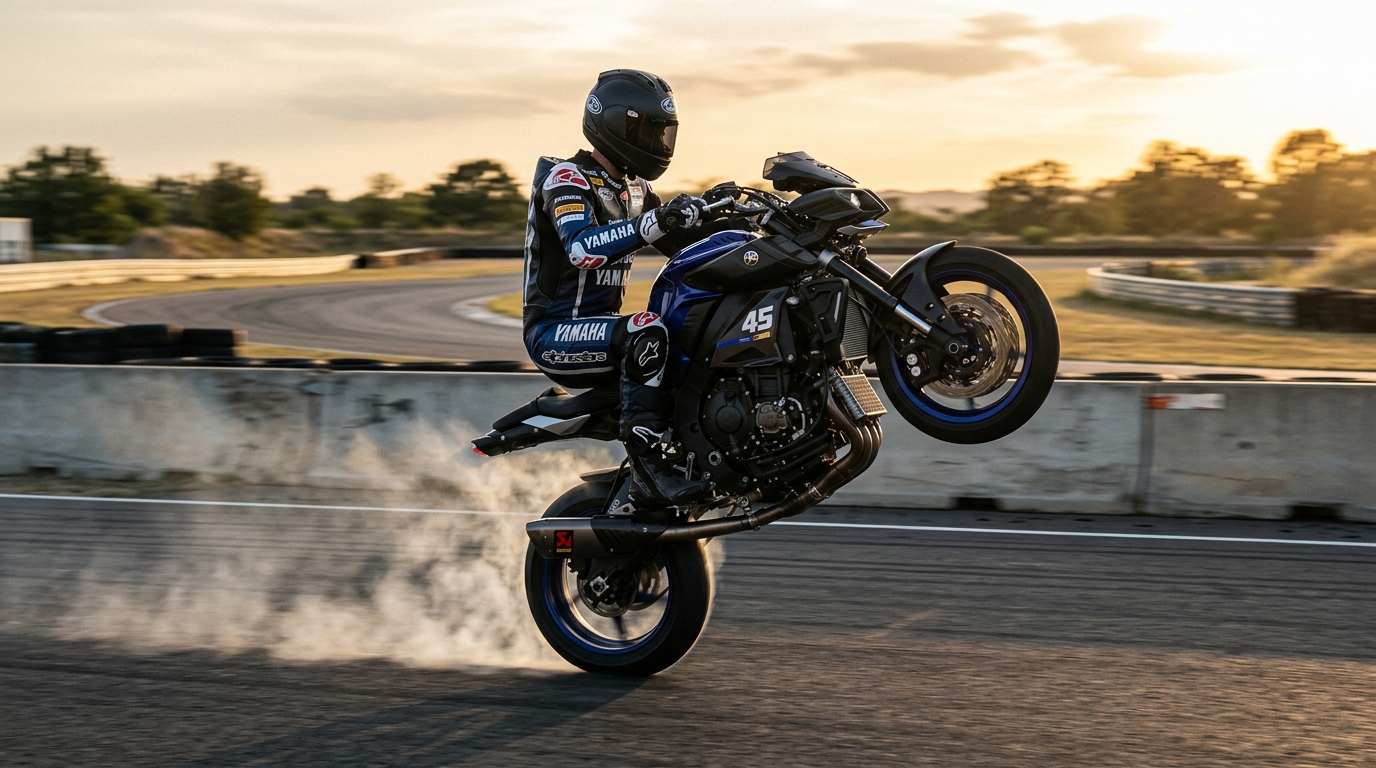
3. **Knowledge of Motorcycle Behavior**: Understanding the unique behaviors and capabilities of motorcycles is essential for effective pursuit protocol. This includes knowledge of motorcycle evasive techniques, such as “hooking” or “stoppies,” which officers must anticipate and respond to accordingly. Additionally, officers need to be familiar with different types of motorcycles and their performance capabilities to make informed decisions during pursuits.
To address these challenges, law enforcement agencies have developed specialized strategies and tactics to improve the success and safety of motorcycle pursuits. This includes advanced training programs for officers, the use of police motorcycles specially designed for pursuit situations, and cooperation with air support units to track and monitor fleeing motorcycles from above. By continuously adapting and refining their techniques, police departments are working to ensure a safer road environment for everyone.
4. The Role of Advanced Training in Enhancing Police Response during Motorcycle Pursuits
When it comes to police pursuit protocols, motorcycle chases present a unique set of challenges. The agility and speed of motorcycles require specialized training and techniques to ensure officers can effectively respond and apprehend suspects safely. Advanced training plays a pivotal role in enhancing the police response during motorcycle pursuits, equipping law enforcement with the necessary skills to handle these high-stakes situations. Here, we delve into the key aspects that underscore the importance of advanced training for officers engaging in motorcycle pursuits:
1. Tactical Maneuvers for Motorcycle Intercept
To successfully capture fleeing motorcyclists, officers need to be proficient in executing tactical maneuvers specifically designed for motorcycle intercepts. This advanced training imparts crucial techniques such as precision cornering, box formation, and interception paths, which enable police units to surround and bring the pursuit to a controlled stop. These maneuvers are essential to minimize the risks associated with high-speed pursuits and increase the likelihood of a successful apprehension.
2. Motorcycle-Specific Navigation
In addition to tactical maneuvers, officers trained in advanced motorcycle pursuit response gain a deeper understanding of motorcycle-specific navigation. This training covers key factors such as recognizing hazards unique to motorcycles, predicting their trajectory, and safely positioning police vehicles in pursuit. By honing these navigation skills, law enforcement personnel can anticipate the movements of fleeing motorcyclists, maintain better control of the pursuit, and ultimately enhance the safety of all those involved.
3. Effective Communication and Collaboration
Successful motorcycle pursuits demand seamless communication and collaboration among the involved law enforcement units. Advanced training fosters effective communication techniques that ensure a clear flow of information between officers during pursuits, enabling them to coordinate maneuvers, share critical updates, and evaluate the escalating situation. Enhanced collaboration and communication ultimately lead to improved response times and a higher chance of a successful apprehension.
By investing in advanced training, police departments can equip their officers with the specialized skills necessary to navigate the challenges posed by motorcycle pursuits. From tactical maneuvers to motorcycle-specific navigation and effective communication, this comprehensive training ensures that law enforcement responds efficiently and safely in high-speed situations. As technology evolves, it is crucial for police protocols to adapt and prioritize advanced training, enabling officers to stay one step ahead of evading motorcyclists.

5. Utilizing Technology: Innovations to Aid Law Enforcement in Motorcycle Chases
In today’s fast-paced world, law enforcement agencies are constantly seeking ways to stay ahead of criminals and ensure public safety. One area where technology has made significant advancements is in aiding police during motorcycle chases. These high-speed pursuits can be incredibly dangerous for both officers and the public, and it’s vital that law enforcement agencies have the necessary tools and innovations to minimize risks and apprehend suspects efficiently.
One innovation that has revolutionized motorcycle pursuits is the use of GPS tracking devices. These small, discreet devices can be attached to motorcycles and provide real-time location updates to law enforcement. This allows officers to track the movement and direction of the suspect, making it easier to coordinate a response and plan the best course of action. With GPS technology, law enforcement can effectively monitor the chase without compromising officer safety.
Another technology that has proven to be incredibly useful in motorcycle pursuits is the integration of video recording systems. These systems, often mounted on the front or rear of police motorcycles, capture high-quality footage of the chase. This not only serves as evidence in court but also allows law enforcement to review and analyze the pursuit for training and improvement purposes. Additionally, the recorded videos can be used to educate the public about the dangers of reckless driving and promote safer roads.
In recent years, drone technology has also played a crucial role in aiding law enforcement during motorcycle pursuits. Drones equipped with high-resolution cameras and thermal imaging capabilities can provide an aerial view of the chase, allowing officers to anticipate the suspect’s movements and plan accordingly. The use of drones in motorcycle chases has proven to be a game-changer, offering an unprecedented advantage in tracking and apprehending suspects while minimizing the risks associated with ground pursuits.
With these technological innovations, law enforcement agencies can ensure safer and more efficient motorcycle chases. GPS tracking devices, video recording systems, and drones have become integral tools in the pursuit protocol, empowering officers to protect the public while apprehending suspects effectively. As technology continues to advance, it’s crucial for law enforcement agencies to stay up-to-date and adapt to the ever-evolving landscape of crime, ensuring a safer future for all.
6. Balancing Public Safety and Apprehension: Considerations for Motorcycle Pursuit Policies
When it comes to police pursuit protocols, motorcycles pose a unique challenge. While it is crucial to ensure public safety and apprehend lawbreakers, it is equally important to consider the risks involved in chasing motorcyclists. Striking a balance between these two objectives requires careful thought and comprehensive policies.
One key factor to consider is the high rate of speed that motorcycles can reach. Pursuing a motorcyclist at extreme speeds not only puts the officer and the suspect at risk, but also endangers innocent pedestrians, motorists, and bystanders. It is therefore essential for police departments to establish clear guidelines regarding when it is appropriate to engage in a motorcycle pursuit and when it is wiser to call it off.
Another consideration is the maneuverability of motorcycles. Unlike larger vehicles, motorcycles can navigate through traffic with ease, making them harder to catch. Police departments need to equip their officers with specialized training to safely stop fleeing motorcyclists, employing tactics such as tire deflation devices or coordinating roadblocks.
- Implement strict criteria: Establishing specific criteria for initiating a motorcycle pursuit ensures that officers are not engaging in chases unnecessarily. These criteria might include the severity of the offense, the presence of imminent danger to the public, or previous criminal history.
- Use technology to your advantage: Utilize the latest technological advancements, such as GPS tracking devices, to increase the chances of apprehending motorcyclists without the need for dangerous high-speed pursuits.
- Collaboration with other agencies: Effective cooperation between law enforcement agencies can help in tracking and apprehending individuals involved in repeated motorcycle offenses, reducing the need for pursuits.
| Consideration | Solution |
|---|---|
| Public Safety | Establish strict pursuit criteria to prevent unnecessary risks. |
| Motorcycle Maneuverability | Provide specialized training and equipment to officers for safe apprehension. |
| Technological Advancements | Utilize GPS tracking devices for more effective and safer apprehension methods. |
| Inter-Agency Cooperation | Promote collaboration between different law enforcement agencies to improve apprehension rates. |
By striking the right balance between public safety and effective apprehension, police departments can navigate the unique challenges that motorcycle pursuits present. Clear policies, advanced technology, and collaborative efforts are all essential components of a comprehensive approach to motorcyclist pursuit protocols.

7. Collaborative Approaches: Effective Communication and Coordination in Motorcycle Chases
When it comes to pursuing motorcycles, effective communication and coordination are absolutely crucial. Motorcycle chases present a unique set of challenges for law enforcement officers, and it is essential that they are equipped with the right protocols and strategies to handle these situations safely and effectively. In this post, we will explore collaborative approaches that can be employed to ensure successful outcomes in motorcycle chases.
Clear and concise communication is the foundation of any successful pursuit protocol. Law enforcement agencies need to establish streamlined communication channels between officers on the ground, dispatch centers, and any supporting units involved in the chase. This can be achieved through the use of two-way radios, mobile data computers, or other modern communication devices. Effective communication allows officers to relay valuable information about the suspect’s location, direction of travel, and any potential hazards to ensure everyone involved is on the same page.
Coordination is another critical element in motorcycle chases. This involves effectively deploying resources and coordinating actions among responding units. One commonly used strategy is the creation of designated pursuit teams that consist of trained officers who specialize in motorcycle chases. These teams have the expertise and skills necessary to safely navigate through traffic, adapt to the unique capabilities of motorcycles, and use tactics that minimize risks to public safety. By coordinating efforts and leveraging the expertise of these specialized units, law enforcement agencies can significantly improve their chances of a successful outcome in motorcycle chases.
8. Mitigating Legal and Ethical Concerns in Motorcycle Pursuits: Guidelines for Law Enforcement
In order to ensure public safety and uphold the rule of law, law enforcement agencies must establish effective guidelines for motorcycle pursuits. Motorcycle chases can be particularly risky, given the high speeds and maneuverability of these vehicles. Therefore, it is essential for law enforcement officers to mitigate the legal and ethical concerns associated with such pursuits.
1. Proper Training: One of the key aspects in mitigating legal and ethical concerns in motorcycle pursuits is providing thorough training to law enforcement officers. This training should emphasize the necessary skills to safely engage in pursuits, ensuring officers are aware of the potential risks involved and are prepared to make split-second decisions.
2. Clear Policy on Pursuits: Law enforcement agencies should establish a clear policy regarding when motorcycle pursuits are justified. This policy should outline specific criteria that must be met before a pursuit can be initiated. Factors such as the severity of the offense, danger posed to the public, and availability of less dangerous alternatives should all be considered. Having a well-defined pursuit policy helps maintain accountability and avoid unnecessary risks.
3. Communication and Collaboration: Effective communication and collaboration among law enforcement agencies and officers is crucial during motorcycle pursuits. Establishing protocols for relaying information, coordinating efforts, and assessing the progress of a pursuit enables a more unified and organized approach. Regular training exercises and joint exercises can enhance these skills and foster better cooperation among agencies.
4. Use of Technological Tools: Incorporating advanced technological tools can aid in mitigating legal and ethical concerns in motorcycle pursuits. For example, GPS tracking systems and data analytics can assist law enforcement in gathering real-time information about the suspect, monitoring traffic conditions, and making more informed decisions during pursuits. However, proper regulations and adherence to privacy laws must be followed when utilizing such tools.
| Key considerations: | Benefits: |
| Officer safety | Minimize risk of accidents |
| Public safety | Reduce potential harm to innocent bystanders |
| Legal liability | Protect agencies from legal repercussions |
5. Continuous Review and Evaluation: To ensure the effectiveness of the guidelines and protocols, regular review and evaluation processes should be implemented. Identifying areas for improvement, addressing any emerging legal issues, and incorporating feedback from officers and legal experts are essential for the ongoing development of these guidelines. Public input and transparency throughout this process can also help foster trust between law enforcement and the community.

9. The Human Element: Psychological Factors Affecting Motorcycle Chase Dynamics
When it comes to police pursuits involving motorcycles, there are various psychological factors that come into play, affecting the dynamics of the chase. Understanding these factors is crucial for law enforcement officials in order to enhance their pursuit protocol and improve outcomes. Here are some key psychological elements that impact motorcycle chase dynamics:
- Adrenaline and Risk-Taking: Motorcycle chases evoke a surge of adrenaline, both in the pursuing officers and the fleeing motorcyclist. This adrenaline rush can lead to increased risk-taking behavior, making it essential for officers to remain focused and make calculated decisions to ensure public safety.
- Mental and Physical Fatigue: Lengthy pursuits can be mentally and physically exhausting for both the officers and the fleeing individual. Fatigue can impair decision-making ability and reflexes, making it crucial for law enforcement agencies to have protocols in place to assess and manage fatigue during pursuits.
- Knowledge of the Area: The familiarity of the pursuing officer with the geographical area can significantly impact the chase dynamics. Knowing the layout of the streets, traffic patterns, and potential escape routes can give officers an advantage in effectively maneuvering and strategizing during the pursuit.
- Emotional State: The emotional state of both the officers and the motorcyclist can play a significant role in the chase. Highly emotional individuals may exhibit unpredictable behavior, making it necessary for officers to assess the emotional state of the fleeing individual and adjust their approach accordingly.
By considering these psychological factors, law enforcement agencies can enhance their pursuit protocol and minimize risks associated with motorcycle chases. Training officers to recognize and adapt to these elements can help ensure safer outcomes for everyone involved.

10. Lessons from Successful Cases: Case Studies and Best Practices in Motorcycle Pursuit Protocol
Pursuit Protocol: Police Chasing Motorcycles
In the world of law enforcement, motorcycle pursuits pose unique challenges and require specialized protocols. By examining successful case studies and best practices in motorcycle pursuit protocol, we can gain valuable insights into effectively apprehending suspects while ensuring the safety of both officers and the public. Here, we highlight ten crucial lessons learned from these cases.
1. Communication is Key
Clear and constant communication between law enforcement officers during a motorcycle pursuit is vital. This includes radio communication, hand signals, and the use of technology such as helmet intercoms. By keeping everyone informed and on the same page, officers can coordinate their actions and minimize the risk of accidents or mistakes.
2. Training Makes a Difference
Proper training for officers involved in motorcycle pursuits is essential. Specialized training programs equip them with the necessary skills to navigate challenging terrain, anticipate biker behavior, and employ effective pursuit tactics. Regular training and refresher courses help officers stay updated with the latest techniques and best practices.
3. Strategic Considerations
Successful motorcycle pursuit requires a strategic approach. Understanding the road conditions, terrain, and the capabilities of motorcycles involved are all crucial factors that officers must consider. By analyzing the environment and the unique characteristics of the pursued motorcycle, law enforcement can develop effective strategies that increase the chances of a successful apprehension.
Motorcycle Pursuit Protocol Best Practices
1. Establish a Pursuit Command Team
Designate a pursuit command team to oversee and manage the pursuit. This team can take responsibility for decision-making, coordinating resources, and communicating with other agencies or units involved in the chase.
2. Assess the Risk Factors
Prioritize public safety and consider various risk factors before and during the pursuit. Evaluate the need for continuous pursuit based on factors such as traffic density, speed, road conditions, and the severity of the offense committed by the suspect.
3. Use Technology to Aid the Chase
Equip officers with technology that can enhance their pursuit capabilities. This may include GPS tracking devices, license plate recognition systems, and video recording equipment to capture crucial evidence that can be used for prosecution.
| Lesson | Description |
|---|---|
| 4 | Establish Safe Zones |
| 5 | Use Tire Deflation Devices |
| 6 | Employ Helicopter Support |
By adhering to these lessons from successful cases and incorporating best practices in motorcycle pursuit protocol, law enforcement agencies can enhance their effectiveness in apprehending suspects while minimizing the risks involved in high-speed chases. Prioritizing officer training, effective communication, and strategic planning are essential factors to ensure successful outcomes in motorcycle pursuit situations.
In conclusion, when it comes to the pursuit protocol for police chasing motorcycles, there are several factors that come into play. Law enforcement agencies have rigorous guidelines in place to ensure the safety of all parties involved. It’s important to remember that while these high-speed chases can be thrilling to watch in movies, they carry a great deal of risk in reality. By employing effective communication, considering environmental conditions, and utilizing advanced tactics, police officers can maximize safety while apprehending suspects. Ultimately, the pursuit protocol serves as a critical tool in maintaining order and protecting communities. So the next time you see flashing lights in your rearview mirror, remember that the pursuit protocol is not a game – it’s a serious and calculated effort to keep our streets safe.
Get our latest guides, news, and insights highlighted in your Google Search & AI Overviews.