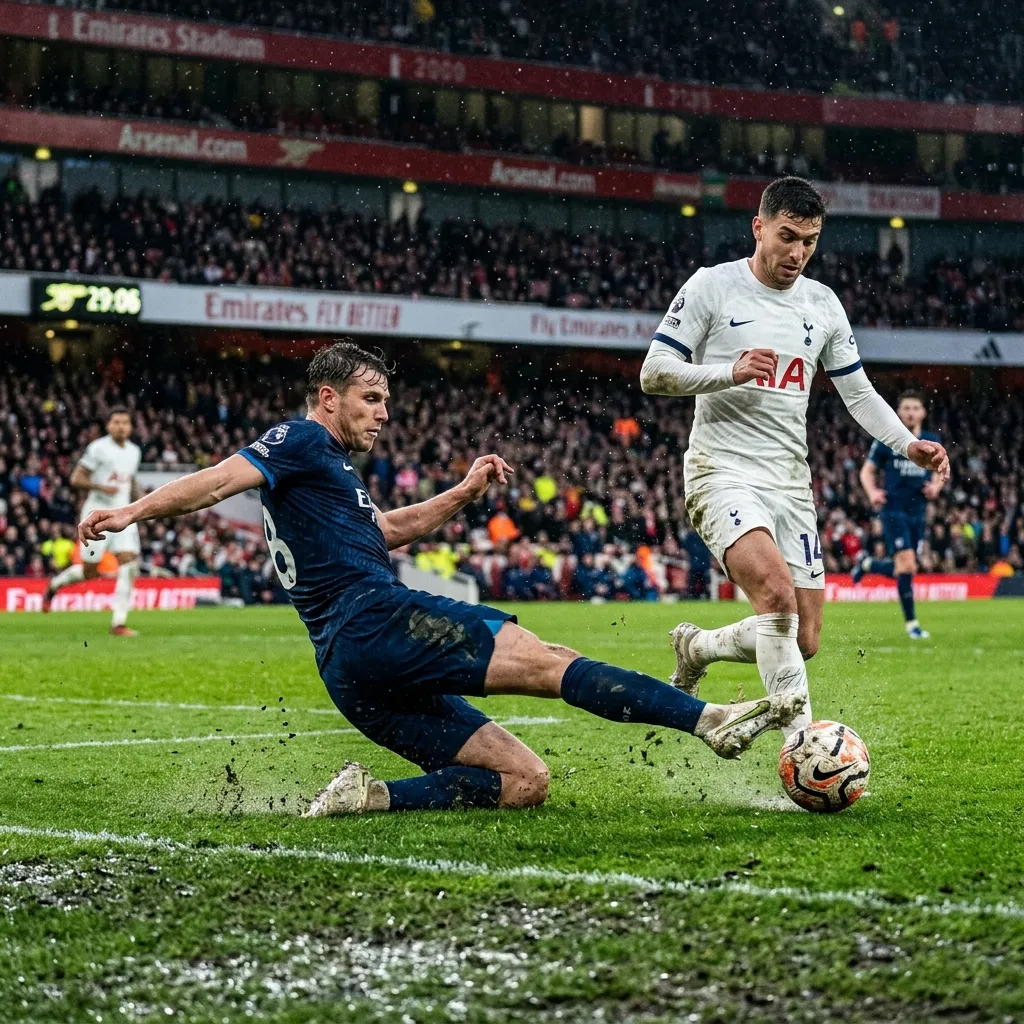
What counts as a shot on goal in soccer precision matters when analyzing a player’s true offensive impact and scoring capabilities. In professional soccer, a “shot on goal” (or shot on target) is strictly defined as any deliberate attempt to score that either goes into the net or would have gone into the net if not for a save by the goalkeeper or a block by the last-line defender.
Quick Answer: A shot on goal must be a clear attempt to score that results in a goal or is stopped directly on its path into the net by the goalie or the last defender. Hitting the post, missing the frame entirely, or having a shot blocked by a midfielder does not count.
What is NOT a Shot on Goal?
In soccer analytics, precision matters immensely. Hitting the goalpost or crossbar does NOT count as a shot on goal unless the ball crosses the line afterward. Shots that go wide, high, or are blocked by a defender who is not the last man are excluded from this statistic. Furthermore, crosses intended as passes that accidentally threaten the goal are generally not counted either, unless the referee deems it a deliberate attempt.


Why This Metric Matters for Players and Coaches
Coaches use the “shots on goal” metric (often called shots on target) to evaluate a striker’s clinical precision. A forward with 10 shots but only 1 on goal is less effective than one with 3 shots and 3 on goal. This data heavily influences transfer markets, fantasy soccer points, and tactical decisions on the pitch. Striking efficiency is a key indicator of a team’s attacking health.
Mastering accuracy over power is the true secret to boosting a player’s shot-on-goal percentage and achieving consistent scoring success.